

 Stinging · Summer
Stinging insects
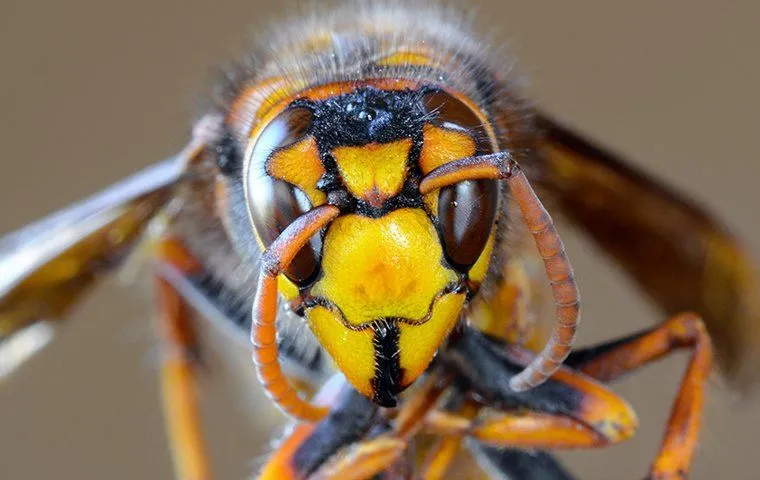
Paper wasps build nests under Oʻahu eaves and lānai roofs, and stings near doors and play areas are no fun.
Why stinging insects show up
Wasps and bees look for sheltered places to build nests close to food and water. Eaves, lānai roofs, railings, fences, playsets, mailboxes and gaps in walls all work well. Yards with flowering plants, fruit trees, uncovered trash and outdoor dining draw them in too.
With Oʻahu’s warm weather, wasps can be around much of the year, but nests grow and activity picks up in the summer months, when colonies are at their largest and people spend more time outside.
Common stinging insects on Oʻahu
Paper wasps are the most common wasps around homes here. They are long-legged, often brown or reddish with yellow markings, and they build open, umbrella-shaped paper nests under eaves, railings and lānai roofs. They are usually calm but will sting to protect the nest.
Yellowjackets are stockier, with bright yellow and black bands. They often nest in the ground or in wall voids and are drawn to sugary drinks, meat and trash. Honey bees sometimes swarm and may move into walls, roofs or meter boxes. Carpenter bees, large bees that bore into wood, can also show up around eaves and fences.
Signs and concerns
Stings are painful, and some people have serious allergic reactions. If someone has trouble breathing, swelling of the face or throat, or feels faint after a sting, get emergency medical help right away. Nests near doorways, play areas and walkways put keiki, guests and pets at the most risk.
Prevention tips
- Check eaves, railings, playsets and lānai ceilings for small nests in spring and early summer.
- Keep trash cans covered and away from doors and seating areas.
- Cover food and drinks outdoors, and clean up spills and fallen fruit.
- Seal gaps in walls, soffits and utility openings.
- Paint or seal exposed wood to discourage carpenter bees.
- Keep kids and pets away from any active nest.
How Shaka treats stinging insects
A technician identifies the insect and finds the nest, since paper wasps, yellowjackets and bees each need a different approach. We treat and remove accessible wasp nests and treat nests in walls or the ground at the entry point.
For honey bees, we inspect first and, where relocation makes sense, may recommend a beekeeper. We also point out spots where wasps tend to rebuild, and recurring service helps catch new nests while they are still small.
Every service is backed by our 100% Pest-Free Guarantee. Book today and get $50 OFF your first service.
Stinging insects FAQ
Should I remove a wasp nest myself?
We do not recommend it. Disturbing a nest can set off several stings at once, and ladders make it riskier. If anyone in the home is allergic to stings, keep everyone away and call a professional.
What about honey bees?
Honey bees are important pollinators. A resting swarm often moves on within a day or two. If bees have moved into a wall or roof, call us for an inspection, and where relocation makes sense we may point you to a beekeeper.
 Pest library
Other Oʻahu pests
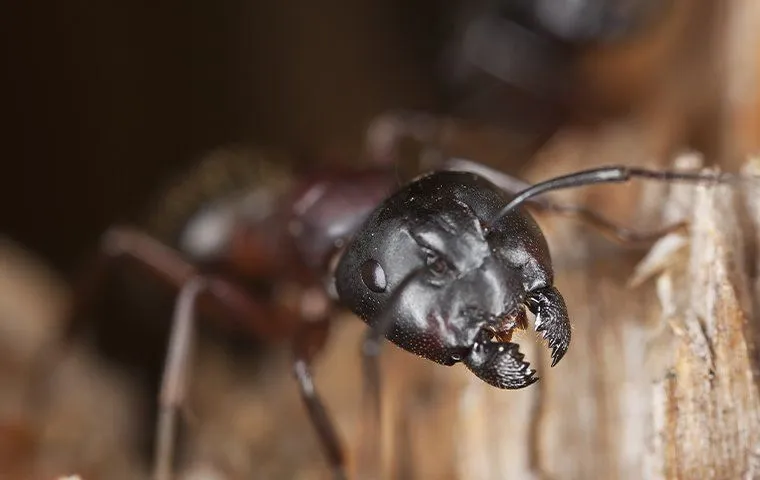 AntsBig-headed, ghost and tropical fire ants stay busy all year on Oʻahu, in kitchens, lānai and yards.
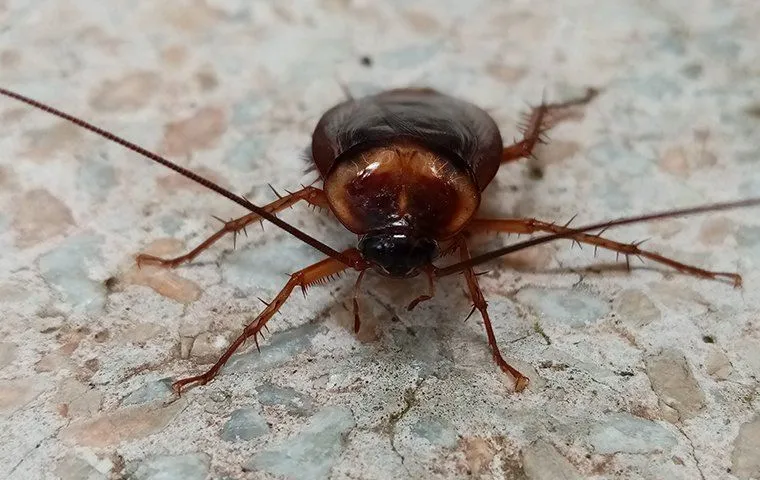 CockroachesBig American cockroaches and fast-breeding German cockroaches are active all year in Oʻahu homes and businesses.
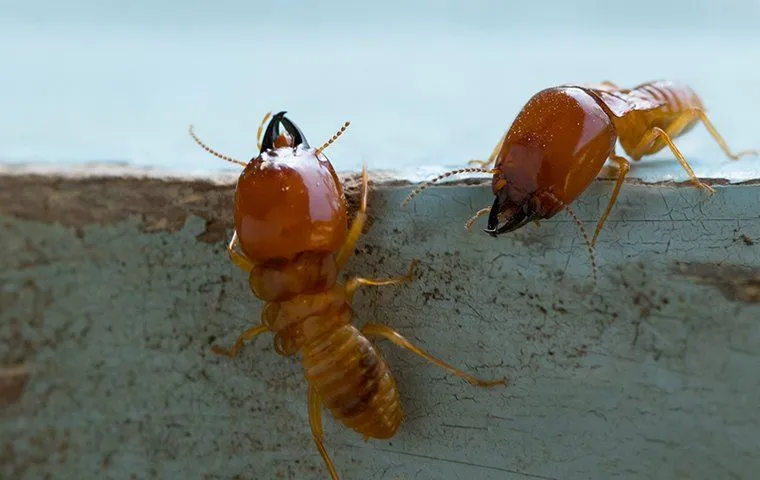 Formosan termitesFormosan subterranean termites form huge colonies and swarm on warm, humid Oʻahu evenings. Early detection matters.
- Drywood termitesDrywood termites live right inside the wood of Oʻahu homes and furniture, often leaving only tiny pellet piles behind.

Ready for a pest-free home?
Schedule today and get $50 off your first service.