

 High risk · Year-round
Drywood termites
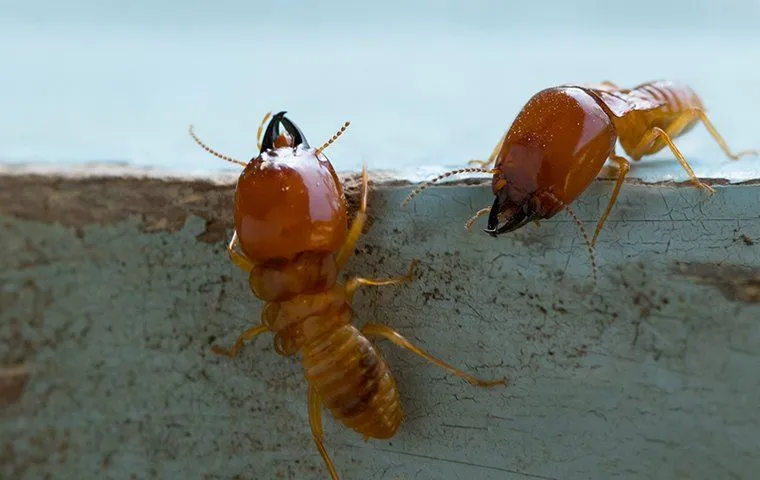
Drywood termites live right inside the wood of Oʻahu homes and furniture, often leaving only tiny pellet piles behind.
Why drywood termites show up
Drywood termites do not need contact with soil. The entire colony lives inside a piece of wood and gets the moisture it needs from the wood itself. Winged swarmers fly in, find a crack, joint or nail hole in exposed wood, and start a new colony right there. Attic framing, eaves, fascia, window and door frames, cabinets and wooden furniture are all common targets.
Because colonies grow slowly and stay hidden, it can take years before anyone notices. A home can also have several separate colonies in different places.
Common species on Oʻahu
The West Indian drywood termite is the main drywood species people deal with in Hawaiʻi. It infests structural wood and furniture alike, and it can also be carried from place to place inside wooden items. Swarmers are attracted to lights and often show up around windows on warm evenings.
Drywood termites are different from the Formosan subterranean termites that build mud tubes and nest in the ground, and the two need different approaches. Some homes have both.
Signs and damage
The best-known sign is a pile of fecal pellets. Drywood termites keep their tunnels clean by kicking pellets out through tiny holes, and they collect on floors, windowsills and shelves below the infested wood. Other signs include wings near windows, pinholes in wood, blistered paint and wood that sounds hollow when tapped. Over time, damage can weaken trim, furniture and framing.
Prevention tips
- Paint or seal exposed wood, and fill cracks and nail holes.
- Keep window and vent screens in good repair.
- Inspect used and antique wooden furniture before bringing it inside.
- Turn off outdoor lights on warm evenings when swarmers are flying.
- Store lumber and wooden items away from the house.
- Clean up pellet piles and watch whether they come back, which helps show where the activity is.
- Schedule regular termite inspections, especially when buying a home.
How Shaka handles drywood termites
It starts with an inspection. A technician checks the attic, eaves, window and door frames, cabinets, wooden furniture and other exposed wood for pellets, kick-out holes, wings and damage, and notes how widespread the activity looks.
What makes sense depends on how many areas are affected and how the home is built. We explain your inspection and treatment options in plain terms and quote termite treatment separately after the inspection, so you know what is involved before any work begins.
Every service is backed by our 100% Pest-Free Guarantee. Book today and get $50 OFF your first service.
Drywood termites FAQ
What are the little piles of pellets I keep finding?
Drywood termites push their droppings out of small holes in the wood they live in. The pellets are hard, tiny and often a mix of colors, and they pile up below the infested wood. If you keep finding them in the same spot, it is time for an inspection.
Can drywood termites come in with furniture?
Yes. Because the whole colony lives inside the wood, drywood termites can travel in furniture, picture frames and other wooden items. Check used or antique pieces closely before bringing them home.
 Pest library
Other Oʻahu pests
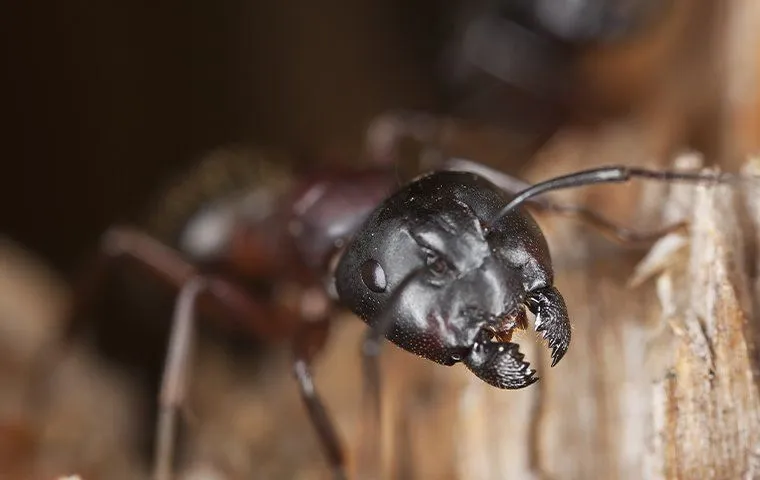 AntsBig-headed, ghost and tropical fire ants stay busy all year on Oʻahu, in kitchens, lānai and yards.
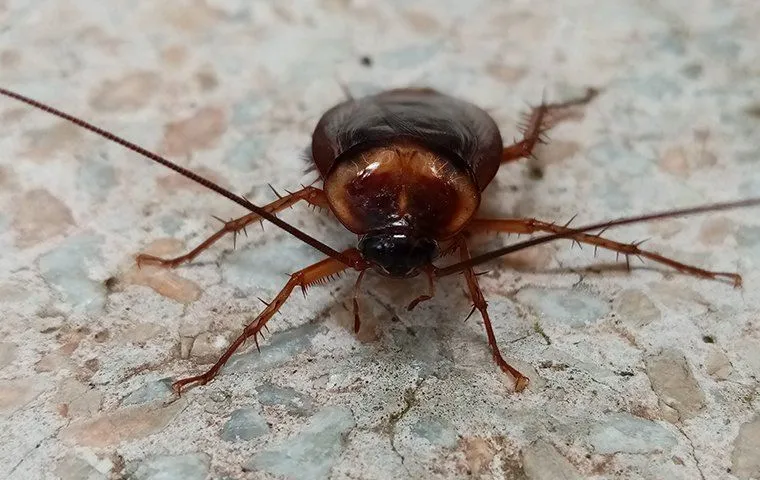 CockroachesBig American cockroaches and fast-breeding German cockroaches are active all year in Oʻahu homes and businesses.
- Formosan termitesFormosan subterranean termites form huge colonies and swarm on warm, humid Oʻahu evenings. Early detection matters.
- CentipedesBig Scolopendra centipedes hide in damp spots around Oʻahu homes, and their painful bite is one to avoid.

Ready for a pest-free home?
Schedule today and get $50 off your first service.