

 Stinging · Wetter months
Centipedes
Big Scolopendra centipedes hide in damp spots around Oʻahu homes, and their painful bite is one to avoid.
Why centipedes show up
Centipedes are hunters. They eat cockroaches, crickets and other small insects, and they need damp, dark places to hide during the day. Mulch, leaf litter, rock walls, stacked pots, boards and yard debris give them the cover they want close to the house.
Heavy rain floods their hiding spots and pushes them toward higher, drier ground, which is why sightings often go up in the wetter months. Once near the house, they slip in under doors, through gaps around pipes and up drains, and end up in bathrooms, closets, laundry rooms and shoes left on the floor.
Common centipedes on Oʻahu
The centipede most people worry about here is Scolopendra, a large, fast centipede that can grow several inches long, with a flat, segmented body and many legs. It is active mostly at night. Scolopendra centipedes bite with forcipules, a pair of venomous, claw-like legs right behind the head. They do not have a stinger, but the bite is painful and often described as feeling like a bad sting.
Smaller centipedes also turn up in and around homes. They are a nuisance rather than a real risk, but they point to the same damp conditions and insect activity.
Signs and damage
Centipedes do not damage your home or food. The concern is the bite, especially for keiki and anyone who walks barefoot at night or reaches into dark spots. Seeing several centipedes usually means there is good shelter and plenty of prey nearby.
Prevention tips
- Shake out shoes, towels and clothes left on the floor or lānai.
- Keep mulch, leaf litter, rocks and stored items away from the foundation.
- Store pots, boards and yard debris off the ground and away from doors.
- Fix leaks and improve drainage so soil near the house stays drier.
- Install door sweeps and seal gaps around pipes, windows and screens.
- Wear gloves when gardening or moving yard debris.
- Control cockroaches and other insects that centipedes feed on.
How Shaka treats centipedes
A technician inspects the outside of the home for the damp, sheltered spots where centipedes hide and the gaps they use to get in, then treats those harborage areas and entry points around the perimeter. Inside, we treat the places centipedes tend to turn up, such as bathrooms, garages and along baseboards.
Because centipedes follow their food, we also treat for the cockroaches and other insects that draw them in. We point out moisture and clutter you can fix, and recurring service helps keep them outside, especially during the rainy months.
Every service is backed by our 100% Pest-Free Guarantee. Book today and get $50 OFF your first service.
Centipedes FAQ
Are centipede bites dangerous?
A Scolopendra bite is very painful and can cause swelling and redness, but it is rarely serious for healthy adults. Some people have allergic reactions. Get medical help right away for trouble breathing or major swelling, and check with a doctor if a young child or someone with health concerns is bitten.
Do centipedes sting?
Not exactly. Centipedes do not have a stinger. They bite with a pair of venomous, claw-like legs just behind the head, which is why the bite can feel like a bad sting.
 Pest library
Other Oʻahu pests
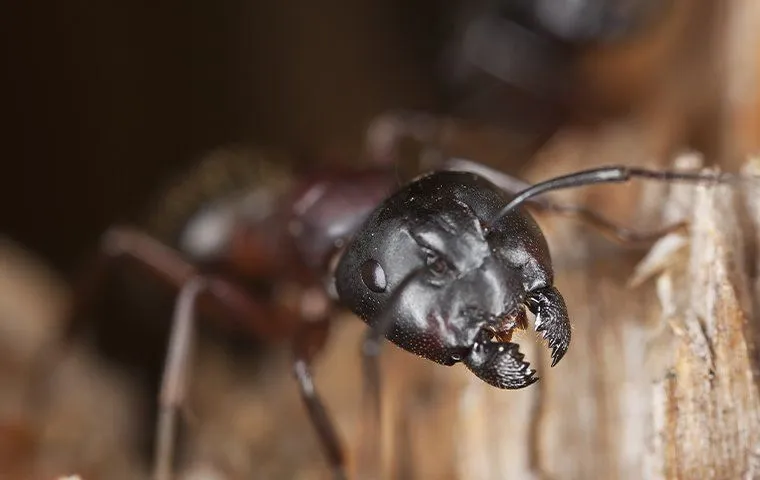 AntsBig-headed, ghost and tropical fire ants stay busy all year on Oʻahu, in kitchens, lānai and yards.
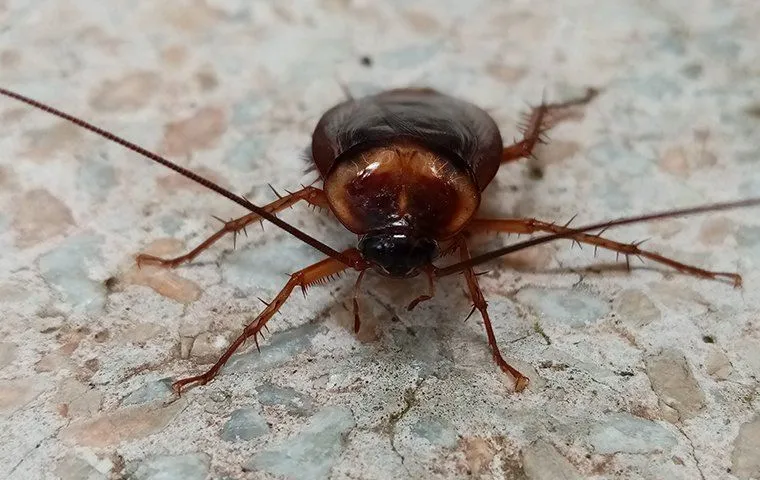 CockroachesBig American cockroaches and fast-breeding German cockroaches are active all year in Oʻahu homes and businesses.
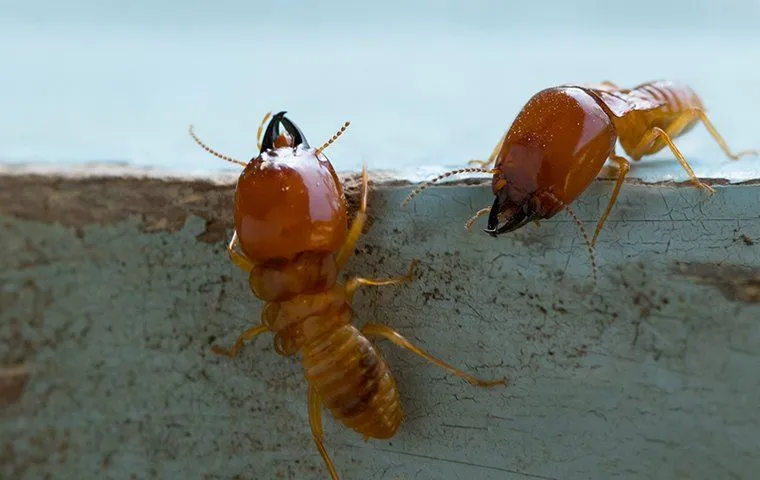 Formosan termitesFormosan subterranean termites form huge colonies and swarm on warm, humid Oʻahu evenings. Early detection matters.
- Drywood termitesDrywood termites live right inside the wood of Oʻahu homes and furniture, often leaving only tiny pellet piles behind.

Ready for a pest-free home?
Schedule today and get $50 off your first service.