

 Health risk · Year-round
Rodents
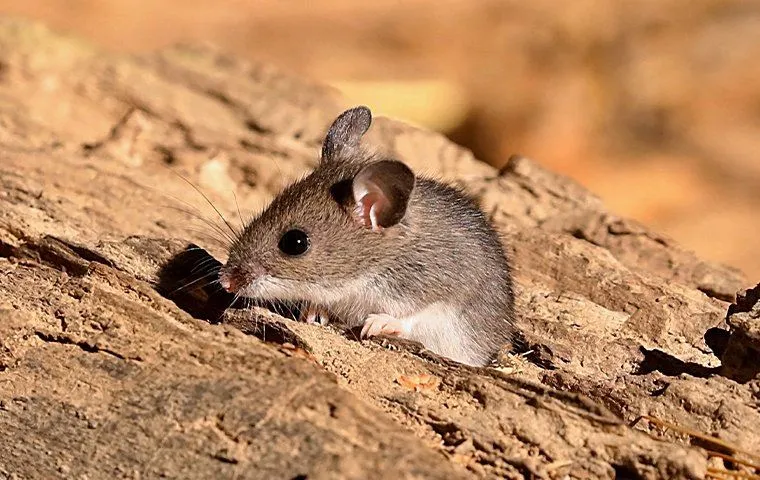
Roof rats, Polynesian rats and house mice are active all year on Oʻahu, from attics and ceilings to gardens.
Why rodents show up
Rats and mice want food, water and a safe place to nest. On Oʻahu, fruit trees, coconut palms, gardens, pet food on the lānai, open trash and compost all give them a steady meal. Attics, ceiling spaces, wall voids, garages and cluttered storage areas give them shelter.
They do not need much of an opening. A mouse can squeeze through a gap about the size of a dime, and a rat through one about the size of a quarter. Rats also climb well, so they reach rooflines by way of trees, palms, fences and power lines.
Common species on Oʻahu
Roof rats are slender, with large ears and a long tail. They are excellent climbers, nest in trees, palms and attics, and are often the rat you hear overhead at night. Polynesian rats are smaller and tend to stay closer to the ground in yards, gardens and brush. Norway rats are bigger and heavier and burrow near foundations and in low, damp areas. House mice are small and gray-brown, and they breed quickly once inside.
Signs and health concerns
Rodents contaminate food and surfaces with droppings and urine, and they gnaw on wiring, which is a fire concern. In Hawaiʻi, rodents are also linked to two health issues worth knowing about. Rat urine can spread leptospirosis, especially in wet soil and standing water. And rats are part of the life cycle of rat lungworm, a parasite that slugs and snails pick up and that people can catch by accidentally eating them, often on unwashed produce. Washing fruits and vegetables carefully and keeping rodents away from the home and garden both help.
Prevention tips
- Pick up fallen fruit and coconuts, and harvest ripe fruit promptly.
- Store food, pet food and birdseed in sealed hard containers.
- Use trash and compost bins with tight lids.
- Trim tree branches and palm fronds back from the roof.
- Seal any gap about the size of a dime or larger at the roofline, vents, pipes and doors.
- Keep storage areas tidy and boxes off the floor.
- Wash and inspect produce from the garden or market before eating.
How Shaka treats rodents
The first job is finding out how rodents are getting in. A technician checks the roofline, eaves, vents, utility lines, doors and foundation for gaps, and looks for droppings, rub marks and gnaw damage to see where the activity is.
From there we set up trapping and monitoring in the active areas and point out the openings that need sealing, because removing rodents without closing the gaps just invites the next group in. We check back to confirm activity has dropped, and we flag fruit trees, branches and food sources you can address.
Every service is backed by our 100% Pest-Free Guarantee. Book today and get $50 OFF your first service.
Rodents FAQ
What is rat lungworm, and should I worry?
Rat lungworm is a parasite found in Hawaiʻi. Rats carry it, and slugs and snails pick it up from rat droppings. People can be infected by accidentally eating raw or undercooked snails or slugs, including tiny ones hiding on produce. Wash and inspect fruits and vegetables carefully, and talk to a doctor with any health concerns.
How do rats get into the attic?
Roof rats are strong climbers. They use tree branches, utility lines, rough walls and gaps at the roofline, eaves and vents to get inside. Trimming branches and sealing openings are as important as trapping.
 Pest library
Other Oʻahu pests
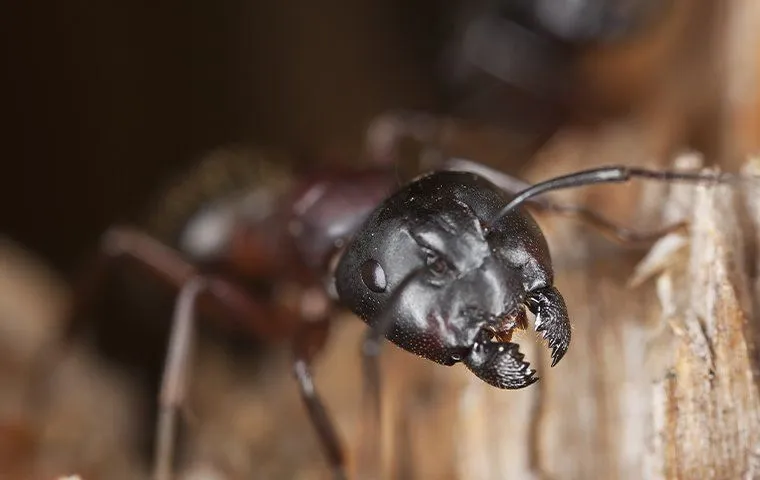 AntsBig-headed, ghost and tropical fire ants stay busy all year on Oʻahu, in kitchens, lānai and yards.
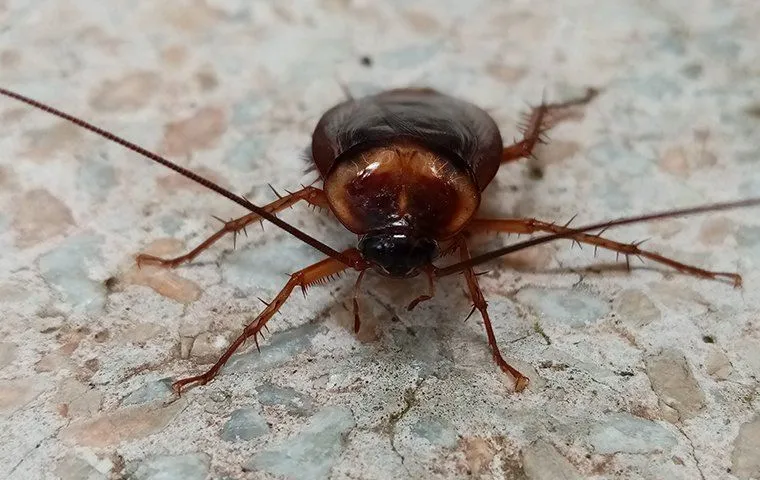 CockroachesBig American cockroaches and fast-breeding German cockroaches are active all year in Oʻahu homes and businesses.
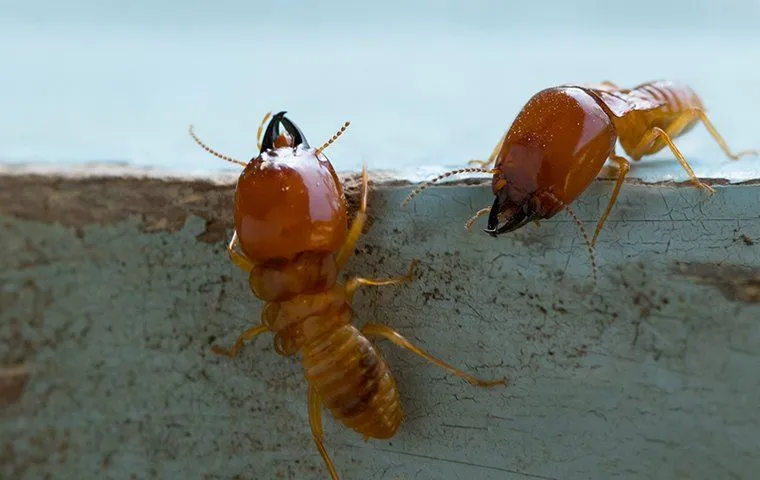 Formosan termitesFormosan subterranean termites form huge colonies and swarm on warm, humid Oʻahu evenings. Early detection matters.
- Drywood termitesDrywood termites live right inside the wood of Oʻahu homes and furniture, often leaving only tiny pellet piles behind.

Ready for a pest-free home?
Schedule today and get $50 off your first service.