

 Health risk · Rainy season
Mosquitoes
Mosquitoes breed in even a little standing water, and Oʻahu's rainy season gives them plenty of places to start.
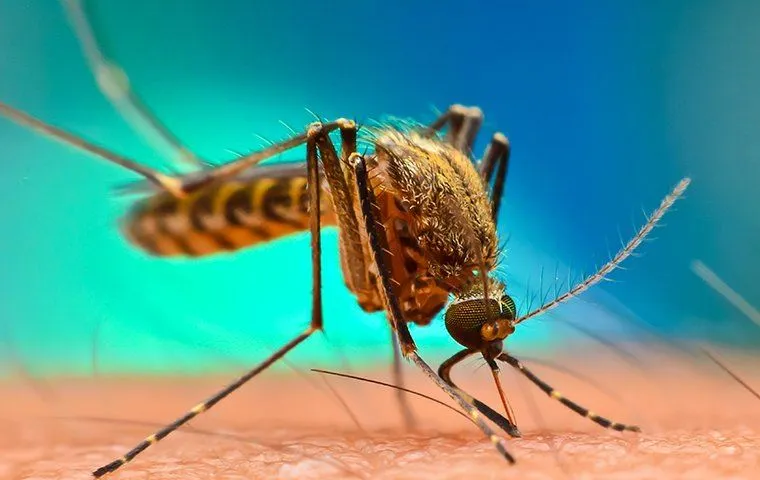
Why mosquitoes show up
Mosquitoes need standing water to lay eggs, and they need surprisingly little. A bottle cap of rain, a saucer under a potted plant, a clogged gutter or water caught in a tarp is enough. Oʻahu’s warm temperatures let them breed all year, and the rainy season, with frequent showers and puddles that never quite dry out, sends their numbers up.
Adults rest during the day in shady, humid spots like dense plants, hedges, under decks and around the lānai, then come out to feed. Many species bite during the day as well as at dusk.
Common mosquitoes on Oʻahu
Hawaiʻi had no native mosquitoes, but several species are now well established. The Asian tiger mosquito is small and black with white stripes. It breeds in containers and plants that hold water, and it bites aggressively during the day. The southern house mosquito is plain brown, breeds in dirtier standing water like catch basins and clogged drains, and is most active in the evening and at night.
Signs and health concerns
Beyond itchy bites, mosquitoes can carry disease. Dengue fever has occurred in Hawaiʻi, and the mosquitoes able to spread it live here. Mosquitoes also spread avian malaria, which has harmed Hawaiʻi’s native forest birds. If you notice more bites than usual, there is very likely a breeding spot nearby.
Prevention tips
- Dump and scrub anything that holds water at least once a week: buckets, pots, saucers, toys and trash can lids.
- Flush water from bromeliads and other plants that hold water, or move them away from the house.
- Clean gutters and fix drainage spots that stay wet.
- Cover or drill drain holes in tarps, boats, tires and stored items.
- Change water in pet bowls and bird baths every few days.
- Keep window and door screens in good repair.
- Trim dense plants near the lānai and doors where adults rest.
How Shaka treats mosquitoes
A technician walks the property to find breeding sites and the shady spots where adult mosquitoes rest. We treat those resting areas, such as foliage, hedges and under decks, and treat standing water that cannot simply be dumped, like drains and catch basins.
We also point out containers, plants and drainage problems you can fix, since removing breeding sites is the most lasting step. Recurring service during the rainy season helps keep numbers down so you can enjoy the yard again.
Every service is backed by our 100% Pest-Free Guarantee. Book today and get $50 OFF your first service.
Mosquitoes FAQ
Can mosquitoes in Hawaiʻi spread disease?
Yes. Dengue has occurred in Hawaiʻi, and the mosquitoes that can carry it live on Oʻahu. Mosquitoes also spread avian malaria, which threatens native birds. Cutting down standing water and bites protects your ʻohana and the islands.
How quickly can mosquitoes breed?
In warm weather, mosquitoes can go from egg to biting adult in about a week. That is why emptying standing water at least once a week makes such a difference.
 Pest library
Other Oʻahu pests
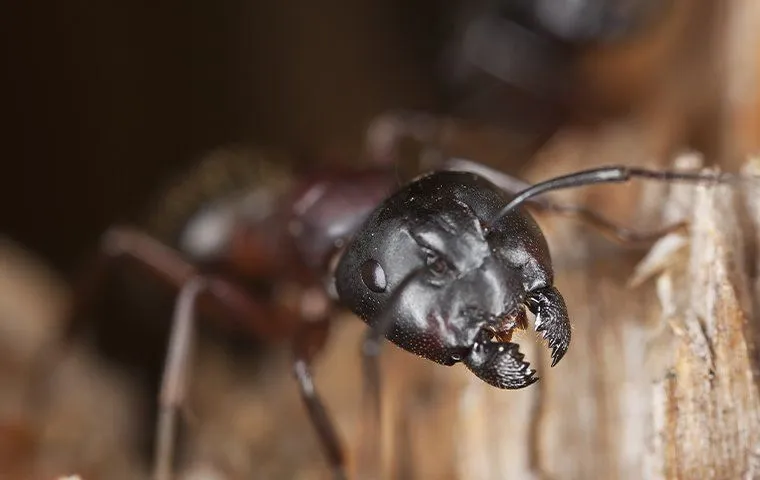 AntsBig-headed, ghost and tropical fire ants stay busy all year on Oʻahu, in kitchens, lānai and yards.
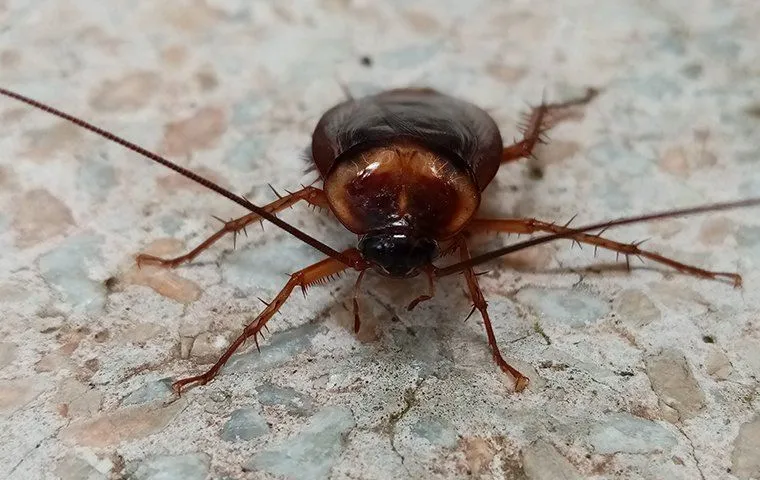 CockroachesBig American cockroaches and fast-breeding German cockroaches are active all year in Oʻahu homes and businesses.
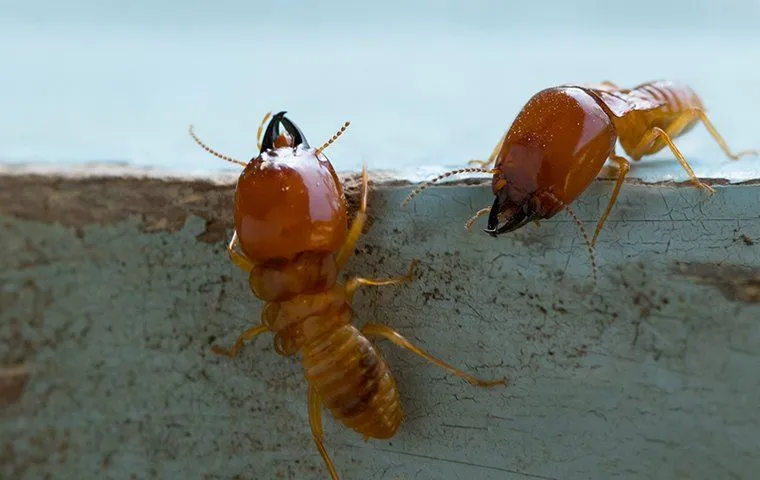 Formosan termitesFormosan subterranean termites form huge colonies and swarm on warm, humid Oʻahu evenings. Early detection matters.
- Drywood termitesDrywood termites live right inside the wood of Oʻahu homes and furniture, often leaving only tiny pellet piles behind.

Ready for a pest-free home?
Schedule today and get $50 off your first service.